Top Indian Traditional Wallpaper Ideas for Your Living Room
- Giffywalls India

- Dec 4, 2025
- 3 min read
Reviving Heritage in Modern Homes
Indian interior design carries a legacy of intricate craftsmanship, vibrant colors, and deep storytelling. Bringing this aesthetic into a modern living room requires a balance between old-world charm and contemporary comfort. Walls serve as the perfect canvas to display this rich cultural history without cluttering the floor space with heavy artifacts. By incorporating motifs inspired by palaces, temples, and folklore, homeowners can create an environment that feels grounded and culturally resonant. The use of indian traditional wallpaper allows you to infuse these elements directly into the architecture of the room. Whether it is a subtle paisley pattern or a bold royal procession scene, these designs act as a backdrop that defines the character of the entire house.

The Artistry of Pichwai
Originating from the town of Nathdwara in Rajasthan, Pichwai art is a centuries-old tradition primarily dedicated to Shrinathji. This style is characterized by its intricate details, often featuring lotus blooms, cows, and peacocks. When translated onto wall coverings, these motifs bring a sense of divine grace and artistic sophistication to a living space. A pichwai design wallpaper often utilizes a palette of deep blues, bright yellows, and lotus pinks, making it an excellent choice for a feature wall. It commands attention and sparks conversation, acting not just as decor but as a piece of history. The meticulous detailing in these designs honors the dedication of traditional artisans while making the art form accessible for modern interior applications.

Sacred Spaces within the Living Area
Many Indian homes integrate a small spiritual corner or a dedicated space for worship within the main living area. Defining this space visually is important to separate the sacred from the social. Using specific wall treatments can help demarcate this zone effectively. A pooja room wallpaper does not have to be restricted to a closed cabinet; it can be applied to a niche or a specific section of the living room wall to create a serene focal point. Motifs like Om, mandalas, or soft floral patterns in white and gold can induce a sense of peace and reverence, ensuring the area feels distinct and respectful even within a bustling common room.

Choosing the Right Aesthetic
Selecting the correct pattern involves understanding the interplay of light, furniture, and personal taste. The market offers a vast array of choices, from Mughal-inspired jaalis to folk art from Warli or Madhubani traditions. When looking for a distinctive wallpaper ka design, consider how the scale of the pattern affects the room's proportions. Large, sweeping patterns can make a large room feel cozier, while intricate, smaller motifs add texture without overwhelming a compact space. The goal is to find a design that complements the existing upholstery and wood finishes, creating a cohesive look that feels curated rather than chaotic.

Grand Narratives on Large Walls
For those who wish to make a bold statement, standard repeating patterns might feel too subtle. A living room, being a central gathering place, offers the opportunity to display large-scale art that sets the mood for the entire home. living room murals inspired by Indian themes can depict royal durbars, village scenes, or expansive architectural arches that give an illusion of depth. These murals replace the need for multiple framed paintings, providing a singular, impressive visual anchor. They work exceptionally well behind a main sofa or on a wall that is visible immediately upon entering the home, establishing a strong aesthetic identity instantly.

Divine Inspiration and Serenity
Incorporating figures of divinity into wall decor is a practice that dates back generations. It adds a layer of spirituality and calmness to the domestic atmosphere. Specifically, imagery related to playful or serene deities can soften the energy of a room. A Krishna wallpaper depicting the deity with a flute, surrounded by nature, or in a Pichwai style, brings a gentle, rhythmic quality to the space. These designs often use soothing colors like peacock blue and saffron, which harmonize well with wooden furniture and brass accents commonly found in Indian homes. It is a way to keep tradition alive and present in daily life.
Celebrating Nature and Greenery
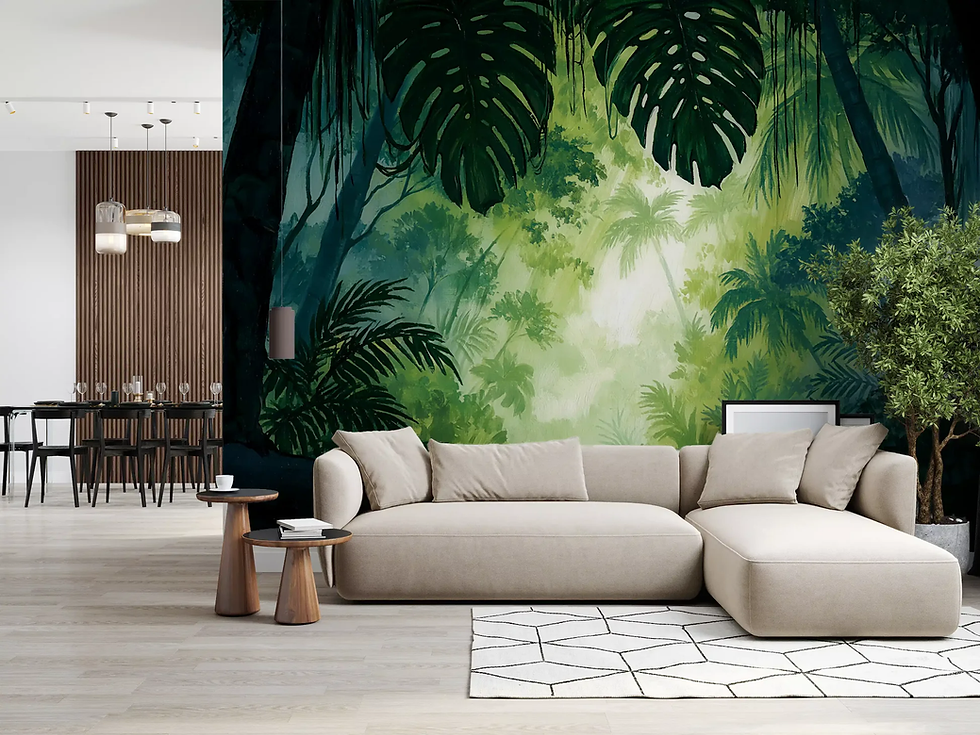
Indian art has always held a deep appreciation for nature, often depicted through lush gardens and dense forests in miniature paintings. Bringing this verdant aesthetic indoors creates a refreshing and organic vibe. The concept of hariyali wallpaper focuses on lush green tones, foliage, and bird motifs that mimic the serenity of a garden. This style is particularly effective in urban apartments where views of actual nature might be limited. The green hues are known to be restful for the eyes and spirit, making the living room a true retreat from the concrete city outside.


Comments